Elevating Childhood Spaces: The Practical and Playful World of Bunk Beds for Kids
Bunk beds are a traditional fixture in children's rooms, and for good factor. They provide a clever solution to spatial obstacles, inject an element of enjoyable and adventure into bedtime, and can even add to a child's advancement and sense of independence. More than simply a location to sleep, bunk beds have actually developed into versatile furniture pieces that cater to varied needs and preferences. From making the most of flooring space in smaller spaces to cultivating brother or sister sociability, bunk beds provide a wide variety of benefits for families. This short article will dig into the world of bunk beds for kids, exploring their advantages, different types offered, crucial security factors to consider, and how to select the perfect one to improve your child's space.
Unstacking the Benefits: Why Bunk Beds are a Smart Choice
The popularity of bunk beds is rooted in their practical benefits and the distinct appeal they hold for children. Choosing bunk beds for a child's room can offer a variety of benefits, impacting both the functionality of the space and the children's experience within it.
Here are some key benefits of integrating bunk beds into your kids' room:
- Space Optimization: This is arguably the most considerable advantage. By vertically stacking sleeping spaces, bunk beds maximize substantial floor location. This newly found area can be made use of for a play area, a study zone, additional storage, or simply to make a smaller space feel more open and less cluttered. In compact homes or shared bedrooms, this space-saving function is invaluable.
- Sibling Bonding and Shared Experiences: For siblings sharing a room, bunk beds can cultivate a sense of camaraderie. The shared experience of sleeping in close distance can reinforce their bond and produce lasting youth memories. The spirited component of selecting the "leading bunk" or "bottom bunk" can become a fun daily ritual.
- Fun and Adventure: Bunk beds typically hold a wonderful appeal for children. The leading bunk can feel like a secret hideaway or a mini-fortress, stimulating imaginative play. Ladders and stairs end up being daring paths to climb, turning bedtime into less of a task and more of an interesting part of the day.
- Making the most of Functionality: Many modern bunk bed designs surpass simply two beds. They frequently incorporate built-in storage options like drawers under the bottom bunk or shelving units integrated into the frame. Some styles consist of desks or study locations underneath the leading bunk, further boosting the performance of the furniture and the room.
- Cost-Effectiveness (Potentially): In families with several children, acquiring a single bunk bed unit can be more cost-effective than purchasing two different single beds. This can be a considerable factor to consider for households seeking to provide a children's room on a budget plan.
Checking out the Variety: Types of Bunk Beds to Consider
The world of bunk beds is surprisingly varied. Manufacturers provide a wide range of designs and configurations to suit various space designs, visual choices, and functional requirements. Understanding the various types can assist you limit your options and select the very best choice for your child's room.
Here are some typical types of bunk beds offered:
- Standard Bunk Beds: This is the most timeless and recognizable style. It features two beds stacked directly on top of each other, usually with a ladder for access to the leading bunk. Standard bunk beds are space-efficient and uncomplicated in style, making them a popular choice for lots of households.
- L-Shaped Bunk Beds: In this setup, the leading bunk is located perpendicularly down bunk, forming an "L" shape. This design develops more open area below the leading bunk, which can be utilized for a play location, a desk, or extra storage. L-shaped bunk beds are especially efficient in corner areas and can offer a more roomy feel to the room.
- Trundle Bunk Beds: Trundle bunk beds include a 3rd bed that moves out from underneath the bottom bunk on wheels. This is an excellent option for accommodating pajama parties or for households who occasionally require an extra sleeping area without completely using up more room. The trundle bed can be quickly hidden when not in usage.
- Futon Bunk Beds: These bunk beds combine a basic leading bunk with a futon couch bed on the bottom. The futon can serve as a seating area throughout the day and convert into a bed at night. Futon bunk beds are ideal for spaces that require to function as both a bedroom and a living or play area, offering versatility and adaptability.
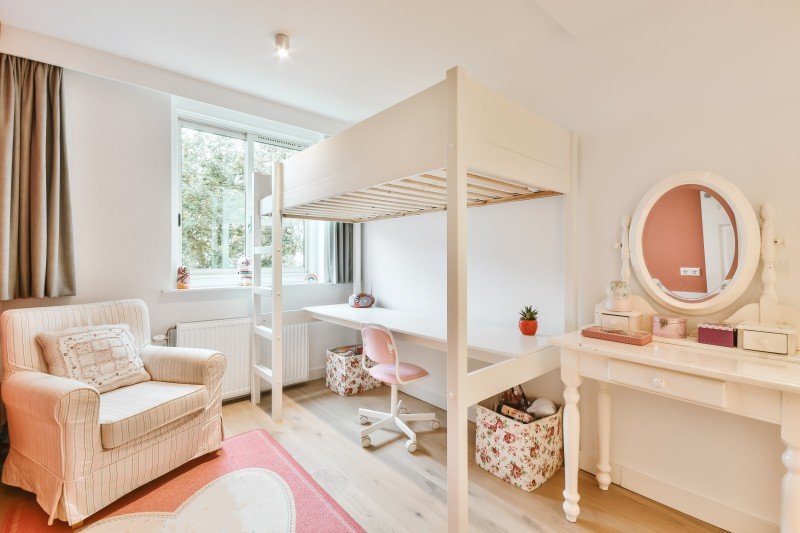
- Loft Beds: While technically not a bunk bed in the traditional sense, loft beds are closely related. They include a single raised bed, developing a considerable space underneath that can be utilized in various ways. Typical usages for the under-bed area consist of a research study desk, a play location, a seating nook, or perhaps clothing storage. Loft beds are excellent for older children and teenagers who require a dedicated study or office in their rooms.
- Novelty Bunk Beds: For those seeking a more playful and imaginative touch, novelty bunk beds come in a vast array of enjoyable styles. These can be shaped like automobiles, castles, fire trucks, homes, or other innovative styles. Novelty bunk beds can add a strong decorative component to a child's room and trigger their imagination, making bedtime more exciting.
Security First: Prioritizing Well-being with Bunk Beds
While bunk beds use numerous benefits, security needs to be the vital factor to consider when selecting and utilizing them, particularly for children. Mishaps can take place if proper safety preventative measures are not taken.
Here are essential security standards to bear in mind concerning bunk beds:
- Guardrails are Non-Negotiable: Ensure the leading bunk has durable guardrails on all sides, high enough to prevent unintentional falls throughout sleep. The guardrails need to be securely connected and frequently checked for stability.
- Ladder Safety: The ladder needs to be firmly connected to the bunk bed frame and created for simple and safe climbing. Look for ladders with wide, slip-resistant actions. Teach children the correct way to climb up and come down the ladder, highlighting the value of dealing with the ladder and utilizing both hands.
- Mattress Size and Height: Use the right mattress size suggested by the bunk bed manufacturer. The mattress needs to not be too thick, as it might decrease the efficiency of the guardrails and decrease the safe distance between the bed mattress top and the top edge of the guardrail.
- Weight Limits: Adhere strictly to the manufacturer's weight limits for both the top and bottom bunks. Overwhelming the bunk bed can jeopardize its structural stability and cause accidents.
- Age Recommendations: Bunk beds are generally not suggested for children under the age of 6. Younger children may do not have the coordination and awareness needed to safely rise and browse the leading bunk. The American Academy of Pediatrics advises that children under six ought to not sleep on the top bunk.
- Appropriate Assembly: Follow the producer's directions carefully when assembling the bunk bed. Guarantee all screws and bolts are tightened properly and that all parts are safely fitted. Improper assembly can result in instability and security dangers.
- Room Height Clearance: Check the ceiling height of the space to make sure there is sufficient headroom above the top bunk for the child to sit up easily without hitting their head.
- No Hanging Objects: Advise children versus hanging anything from the bunk bed frame, especially ropes, cables, or belts, as these can pose strangulation dangers.
- Routine Inspections: Periodically examine the bunk bed for any indications of wear and tear, loose screws, or damage. Resolve any concerns immediately to preserve security.
Selecting the Right Bunk Bed: A Guide to Informed Decisions
Selecting the ideal bunk bed for your child's space includes considering different elements to guarantee it fulfills your requirements and provides a safe and comfy sleeping environment.
Here are some key factors to consider when selecting a bunk bed:
- Room Size and Layout: Measure the dimensions of the room and consider its design. This will help identify the appropriate size and setup of the bunk bed. For smaller sized rooms, standard or trundle bunk beds might be ideal. For bigger or awkwardly shaped spaces, L-shaped or loft beds could be more ideal.
- Number of Children: Consider the number of children will be utilizing the bunk bed. For two children, a standard bunk bed is typically adequate. For more than 2 children or for frequent pajama parties, think about trundle bunk beds or mixes of bunk beds and single beds.
- Style and Aesthetics: Choose a bunk bed style that matches the space's design and your child's choices. Bunk beds are offered in different materials, colors, and designs, from timeless wood to modern metal frames.
- Product and Durability: Opt for bunk beds made from durable and durable products like strong wood or strong metal. Ensure the building and construction is robust and constructed to endure the rigors of children's use.
- Budget plan: Bunk beds are available at numerous cost points. Determine your spending plan and explore options within that range, stabilizing cost with quality and safety functions.
- Future Needs: Consider your child's age and possible future needs. Will the bunk bed still appropriate as they grow older? Some bunk beds can be separated into two single beds if needs change later, offering greater flexibility.
Producing a Kid-Friendly Haven: Decorating Around Bunk Beds
Bunk beds are not simply functional furnishings pieces; they can likewise become a focal point in a child's space and contribute to its total ambiance. Decorating around bunk beds can improve their appeal and produce an enjoyable and welcoming space for children.
Consider these decorating ideas:
- Thematic Décor: Tie the space's decoration to the design of the bunk bed. A novelty bunk bed can influence a themed space, such as a castle-themed room for a castle bunk bed or a race cars and truck theme for a car-shaped bed.
- Under-Bunk Area Utilization: Maximize the space under loft beds or L-shaped bunk beds by creating a comfortable reading nook, a backyard with rugs and cushions, or a study zone with a desk and chair.
- Personalized Touches: Allow children to customize their bunk bed area with their preferred decorations, such as fairy lights, posters, or little toys. This can make their sleeping location seem like their own special domain.
- Storage Solutions: Utilize storage services that match the bunk bed design. Think about storage bins under the bottom bunk, shelving units on the side of the bunk bed, or wall-mounted racks to keep the room organized and clutter-free.
Conclusion: Elevating Spaces, Enhancing Childhoods
Bunk beds are more than just space-savers; they are flexible pieces of furniture that can considerably boost a child's space, promoting fun, performance, and a sense of shared experience. By understanding bed bunk for sale alainacarello.top , checking out the various types readily available, prioritizing security, and making notified choices, moms and dads can choose the perfect bunk bed to develop a comfy, playful, and efficient space for their children, contributing positively to their youth experiences.
Often Asked Questions (FAQs) about Bunk Beds for Kids
Q1: At what age is it safe for a child to sleep on the leading bunk?A: It is usually suggested that children must be at least 6 years old to sleep on the top bunk. More youthful children may not have the necessary coordination and awareness to use the leading bunk securely.
Q2: Are bunk beds safe?A: Yes, bunk beds can be safe when chosen and used correctly. Following safety guidelines such as making sure guardrails are in location, utilizing a safe ladder, following weight limits, and frequently examining the bed is important for security.
Q3: What kind of mattress is best for a bunk bed?A: Use a mattress that is the proper size and density as suggested by the bunk bed manufacturer. Typically, thinner bed mattress are chosen for top bunks to preserve a safe distance between the bed mattress top and the top edge of the guardrail.
Q4: Are bunk beds difficult to assemble?A: Assembly difficulty can vary depending upon the bunk bed style and producer. Generally, following the maker's instructions carefully is crucial. It is typically useful to have 2 people for assembly, specifically for bigger or more complex bunk bed models.
Q5: How do you clean up a bunk bed, especially the leading bunk?A: Cleaning the top bunk can be somewhat difficult due to its height. Utilizing a long-handled duster or vacuum attachment can assist reach higher locations. For more extensive cleansing, you may require to climb up a stepladder or request for assistance to access the leading bunk conveniently and safely. Routine dusting and vacuuming are necessary to keep cleanliness.